Vintage Cowboy: Capturing the Spirit of the Frontier in Typography
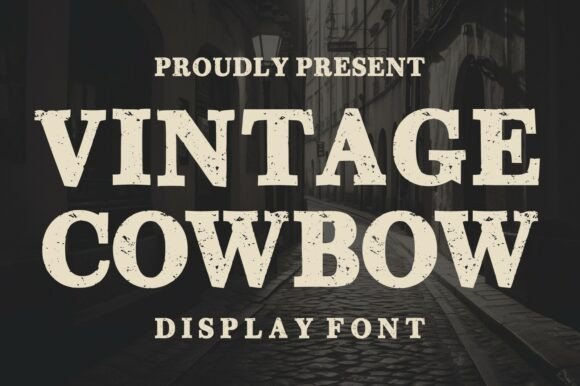
In the world of design, typography is more than just arranging letters on a page; it is about setting a mood, telling a story, and evoking an emotional response before a single word is read. For creators looking to channel the grit, drama, and adventure of the American West, Vintage Cowboy stands out as a premier typeface choice. This bold western-style display font is not merely a collection of characters; it is a visual statement. Featuring a rugged, distressed texture inspired by classic cowboy signage and old saloon lettering, this font serves as a bridge between historical authenticity and modern creative demands.
The Anatomy of a Western Icon
To understand the value of Vintage Cowboy, one must first appreciate its design DNA. The font is characterized by strong serif shapes that provide a sense of stability and authority. However, what truly defines this typeface is its worn vintage details. In design, perfection can sometimes feel sterile. By incorporating a distressed texture, this font mimics the look of ink pressed onto rough wood or paint peeling off an old barn wall. This imperfection is intentional and vital; it provides the "lived-in" feel necessary to make a design feel genuine rather than manufactured.
The visual weight of the letters is heavy and commanding. This is a display font, meaning it is designed to be used at larger sizes where its intricate details can be appreciated. When set in a headline, Vintage Cowboy demands attention. The serifs are sharp and pronounced, reminiscent of the typography used in wanted posters and broadside advertisements of the 19th century. Yet, the design avoids being overly archaic, ensuring it remains legible and powerful for contemporary audiences.
Applications: Where the West Comes Alive
The utility of a typeface is defined by its versatility. While Vintage Cowboy has a distinct personality, it is surprisingly adaptable across a wide range of creative projects. Its primary strength lies in its ability to instantly transport the viewer to a specific time and place—the Wild West. However, its applications extend far beyond historical recreations.
Branding and Logo Design
For business owners, a logo is the face of their brand. If a company wishes to convey values such as durability, tradition, craftsmanship, or ruggedness, this font is an excellent choice. Imagine a craft brewery, a barbecue restaurant, a leather goods shop, or a mechanic’s garage. Using Vintage Cowboy in their branding immediately communicates a promise of quality and heritage. It suggests that the business values hard work and authenticity. The distressed nature of the font implies that the brand has stood the test of time, even if the business is just starting out.
Apparel and Merchandise
The fashion industry, particularly the streetwear and workwear sectors, frequently draws inspiration from vintage Americana. T-shirt designers often struggle to find fonts that look "cool" without looking like a generic computer default. Vintage Cowboy solves this problem by offering a textured, high-impact look that stands out on fabric. It works exceptionally well for band merchandise, festival apparel, and outdoor gear. The bold lettering ensures that text remains readable from a distance, making it ideal for the back of a jacket or the front of a cap.
Packaging and Labeling
Product packaging is a silent salesperson on the shelf. In a crowded market, a product needs to grab the consumer's eye instantly. For products like hot sauces, jerky, whiskey, or artisanal coffee, the packaging often relies on a "rustic" or "small-batch" aesthetic. Vintage Cowboy fits perfectly into this niche. Its old saloon lettering vibe suggests a recipe passed down through generations or a product made with care. It helps create a cohesive unboxing experience that feels premium and authentic.
Event Design and Posters
Graphic designers working on event collateral will find this font invaluable for specific themes. Western-themed parties, rodeos, county fairs, vintage markets, or even rustic weddings benefit from the atmosphere this typeface creates. A poster using Vintage Cowboy sets the tone immediately, ensuring that the audience knows exactly what kind of experience awaits them. It pairs beautifully with leather textures, wood grain backgrounds, and sepia-toned photography.
Evaluating Suitability for Your Project
While the aesthetic appeal of Vintage Cowboy is undeniable, it is crucial for designers and creators to evaluate whether it suits their specific needs. Typography selection should always be strategic, not just aesthetic.
Readability vs. Style
As a display font with a distressed texture, Vintage Cowboy prioritizes style over pure legibility at small sizes. It is not recommended for body text or long paragraphs. The intricate details and "worn" edges can become muddy and difficult to read when scaled down to 10pt or 12pt size. However, for headlines, titles, and logos, it excels. When used correctly, it creates a focal point that draws the reader in. If you need to convey critical information quickly, such as safety instructions or legal disclaimers, it is better to pair this font with a clean sans-serif for the supporting text.
Context and Tone
Design is about context. Using Vintage Cowboy for a corporate banking report or a pediatric clinic would likely send the wrong message. Its connotations are specific: adventure, masculinity, ruggedness, and the outdoors. However, creative professionals can also use it for contrast. For example, a modern tech startup might use this font for a "Retro Friday" marketing campaign to add a touch of irony or personality. The key is to ensure the font aligns with the emotional goals of the project.
Technical Considerations
When working with distressed fonts, printing methods matter. If you are screen-printing a very intricate design onto fabric, the fine details of the "worn" texture might not reproduce perfectly if the mesh count is too low. Similarly, at very small embroidery sizes, the texture may be lost, leaving just the basic letter shapes. Always test print or digitize a sample before committing to a full production run. Vintage Cowboy is designed to look great on high-resolution screens and quality prints, but it requires a bit of foresight in production environments.
Practical Guidance for Creators
For those ready to incorporate Vintage Cowboy into their toolkit, here are a few practical tips to maximize its impact:
- Pairing Fonts: Because this font is bold and decorative, it pairs best with simple, neutral fonts. A clean sans-serif like Helvetica, Arial, or a simple sans-serif slab can provide a nice contrast for subtitles or body copy. Avoid pairing it with other decorative or script fonts, as this will create visual clutter.
- Color Palettes: To enhance the vintage vibe, consider using earth tones. Sepia, burnt orange, deep browns, charcoal, and muted creams work exceptionally well. For a more modern take, high-contrast combinations like black and white or red and black can make the font pop aggressively.
- Background Textures: Vintage Cowboy looks stunning when overlaid on textures. Think leather, rough paper, concrete, or dark wood. This reinforces the rugged nature of the font and helps it blend seamlessly into the design environment.
- Spacing: Because the letters are bold and have strong serifs, they can feel crowded if placed too tightly together. Experiment with increasing the tracking (letter-spacing) slightly to let the characters breathe. This can improve readability and give the text a more airy, premium feel.
Conclusion
In an era where digital perfection is the norm, there is a growing appreciation for designs that feel human, tactile, and rooted in history. Vintage Cowboy offers a direct line to the rugged spirit of the frontier. It is more than just a font; it is a tool for storytelling. Whether you are a business owner looking to brand a new product, a designer working on a movie poster, or a creator looking for the perfect typeface for a merchandise line, this western-style display font delivers an authentic atmosphere that is both powerful and eye-catching. By understanding its strengths and applying it thoughtfully, you can harness the timeless appeal of the Wild West to make your modern creative work unforgettable.